La sismica a riflessione è una evoluzione tecnica dalla sismica a rifrazione.
Tale tecnica, ha avuto particolare sviluppo nella ricerca petrolifera e mineraria; le compagnie petrolifere hanno costantemente sviluppato e ampliato questa tecnica di analisi del sottosuolo, permettendo un dettaglio e una accuratezza via via sempre maggiore.
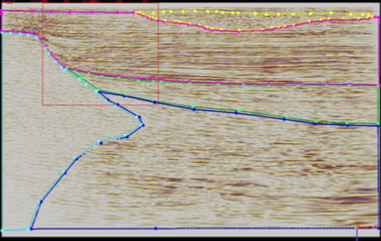 Interpretazione sismica 2D
Geological evolution of Texas-Louisiana shelf (delta of Mississippi - Gulf of Mexico – U.S.A.) from 3D seismic reflection data. Prosperi Andrea
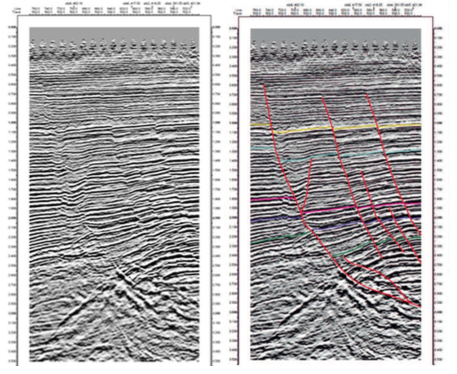
Interpretazione sismica 2D da volume 3D
Geological evolution of Texas-Louisiana shelf (delta of Mississippi - Gulf of Mexico – U.S.A.) from 3D seismic reflection data. Prosperi Andrea
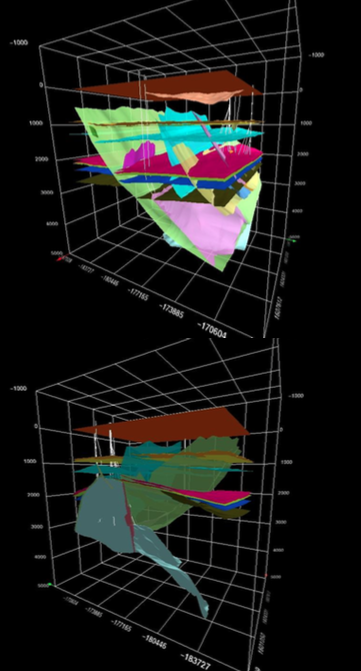 Modellazione 3D
Geological evolution of Texas-Louisiana shelf (delta of Mississippi - Gulf of Mexico – U.S.A.) from 3D seismic reflection data. Prosperi Andrea
Negli ultimi anni, con l'abbattimento dei costi della strumentazione e la diffusione di potenti PC, la riflessione sta avendo una diffusione in ambito geotecnico per la caratterizzazione dei suoli, individuazione di cavità, studi delle strutture sepolte, specialmente dove le classiche tecniche presentano grossi limiti, o dove è di vitale importanza avere un ottimo dettaglio specialmente in profondità.
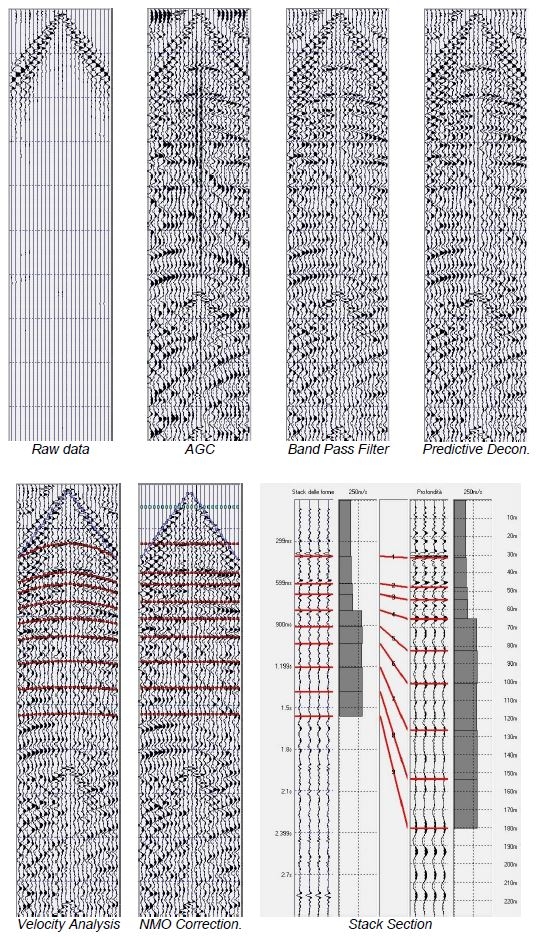
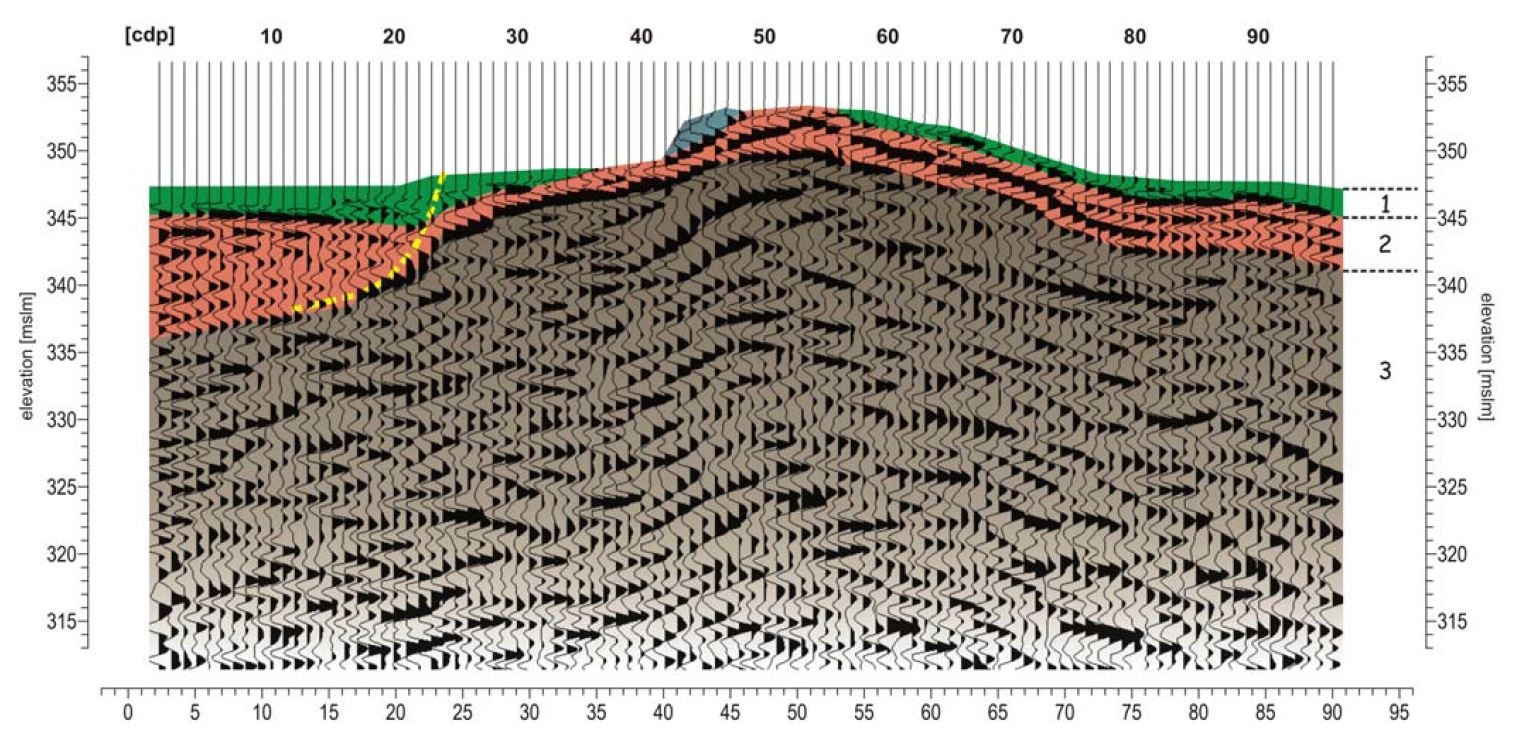
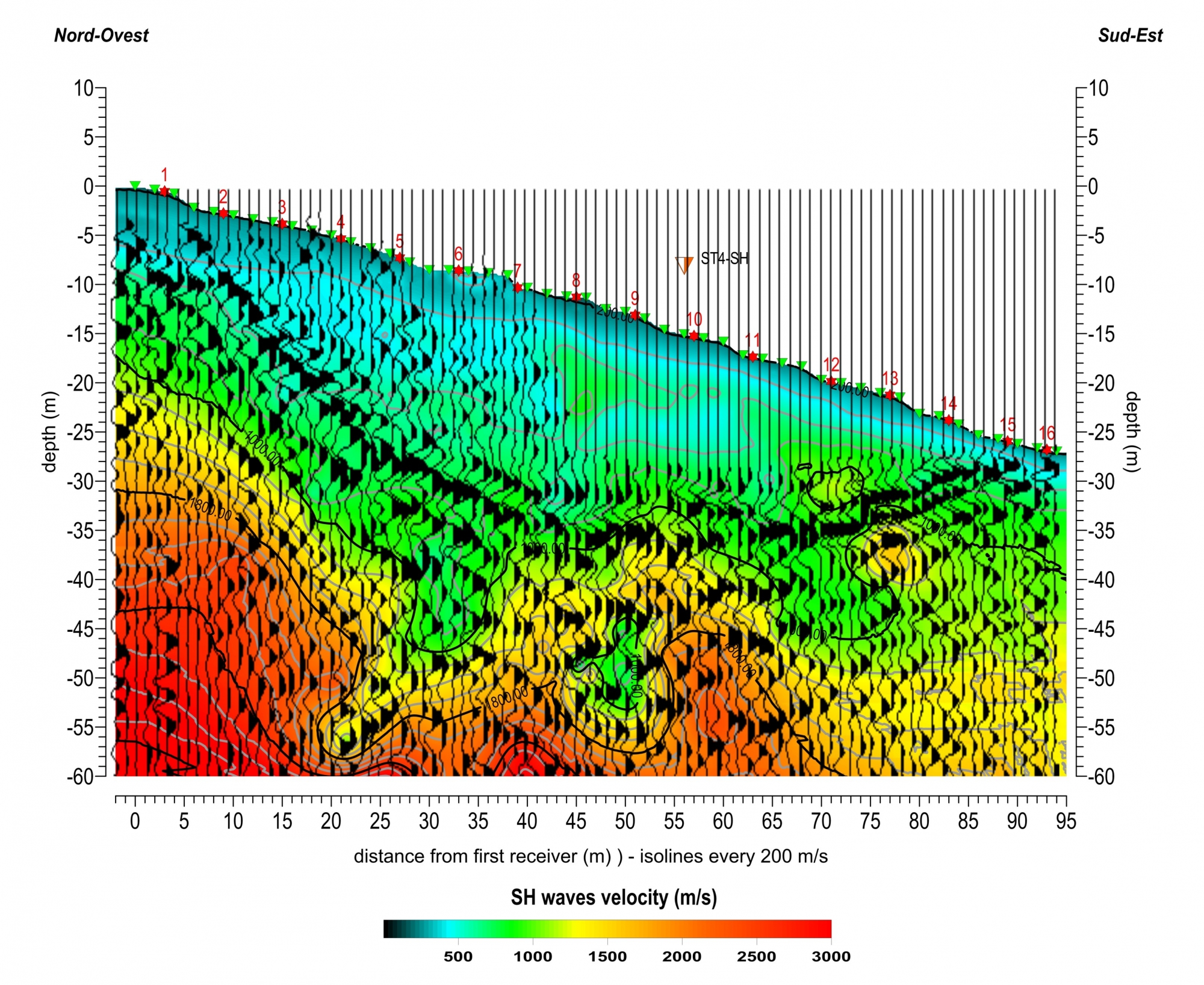
Il Metodo MARW è stato studiato e sviluppato per essere applicato in quei contesti geologici dove la Vs30 e/o il dettaglio della sismostratigrafia in profondità è fondamentale. Grazie alla collaborazione con i professionisti (GeoEnergizers e LPGeognostica), sia in ambito di sviluppo che in ambito di sperimentazione e di test, si è arrivati all'utilizzo di questa tecnica in ambito di Pianificazione Urbana.
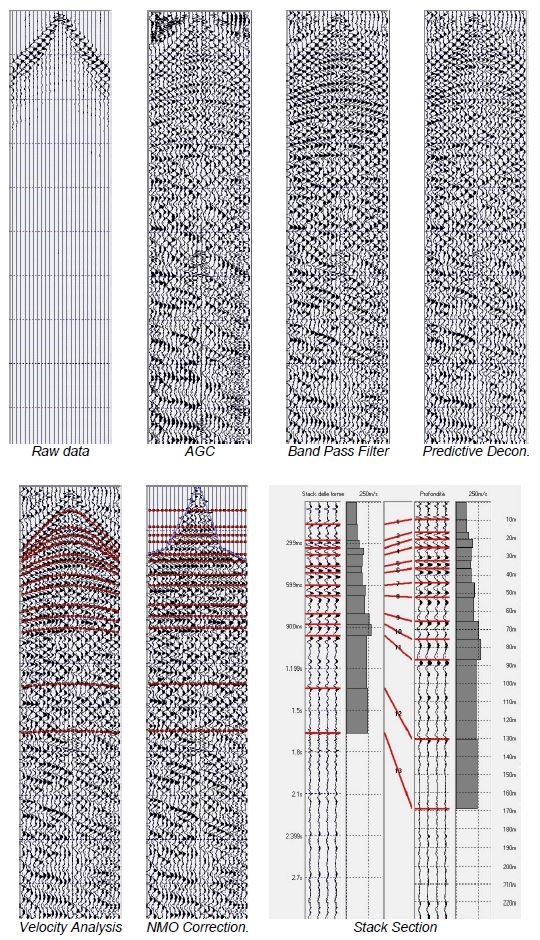 Elaborazione fornita da GeoEnergizers
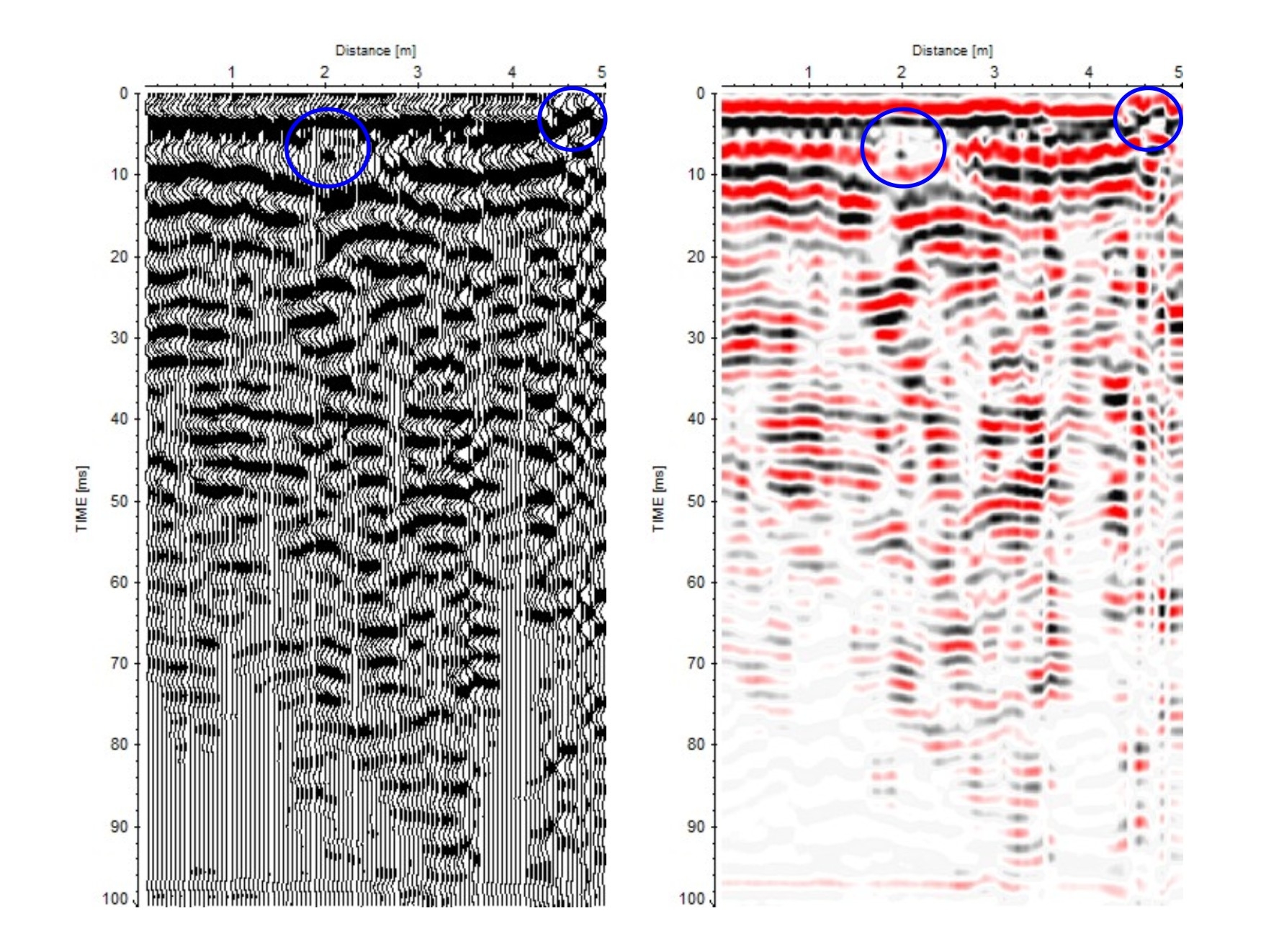
Un altro esempio di riflessione è la common offset; in questo caso abbiamo acquisito con il nostro DoReMi un dataset per cercare cavità e sottoservizi.
Gallery
Documentazione aggiuntiva
